A business invests in a new platform.
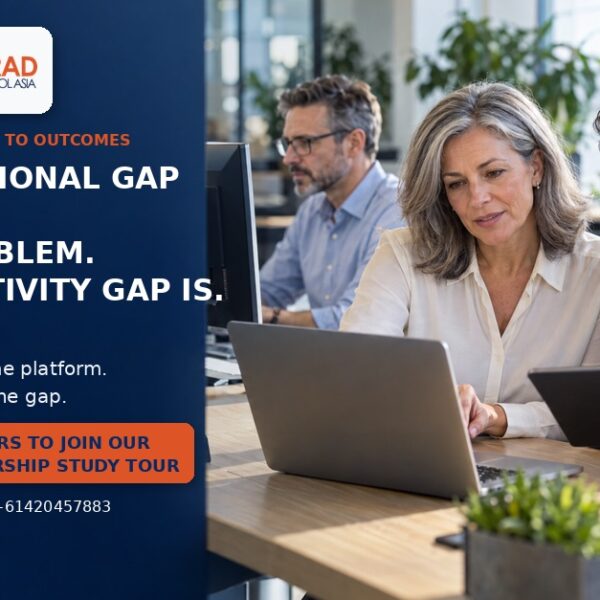
One team member uses it to complete an analysis in an hour. Another insists on using a spreadsheet developed ten years ago. A third has access to the platform but has never been shown how it applies to their role.
All three work in the same organisation. All three are expected to contribute to the same business goals. But they are not operating at the same pace.
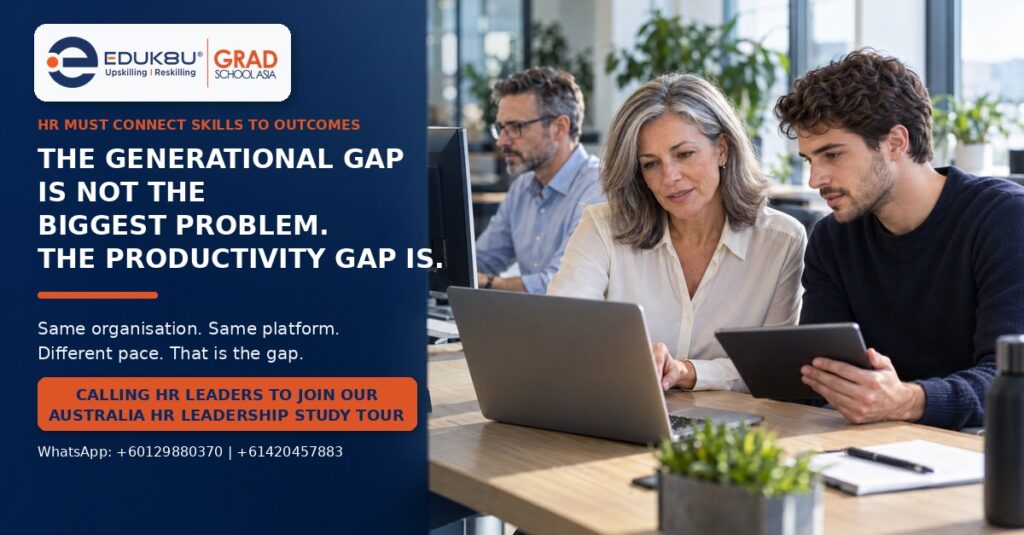
This phenomenon is often described as a generational gap. There can be differences in experience, familiarity with technology and expectations about how work should be done.
The question for business leaders goes further: how can we ensure that people across the workforce can contribute effectively as the organisation changes?
The gap is showing up inside the business
PwC’s 2026 Global Workforce Hopes and Fears Survey found that 64% of surveyed workers had used AI at work in the previous 12 months. Yet PwC also identified differences in workers’ access to AI, learning and opportunities to benefit from it.
Using AI once does not make someone productive. Having a platform does not guarantee effective use of it.
- A resort may have systems capable of identifying guest preferences, but its teams still need to act on the information.
- Real-time production data may be available to a manufacturing business, but its managers still need the confidence and authority to make decisions.
- A logistics company may have invested in faster planning tools, but its people and processes must keep pace.
When that does not happen, the business can end up with 2026 technology supporting yesterday’s ways of working.
Experience is an advantage when it continues to evolve.
The answer is not to assume younger workers understand everything about technology or that experienced workers cannot adapt.
The OECD’s 2025 Employment Outlook discusses evidence that workers aged 50 and above can demonstrate productivity comparable to those aged 35–49. Its work also highlights how age-diverse teams can draw on complementary experience and skills.
At the same time, the OECD’s analysis of older workers’ skills identifies gaps in their use of some specialised digital tools. That makes access to relevant learning and opportunities to practise essential.
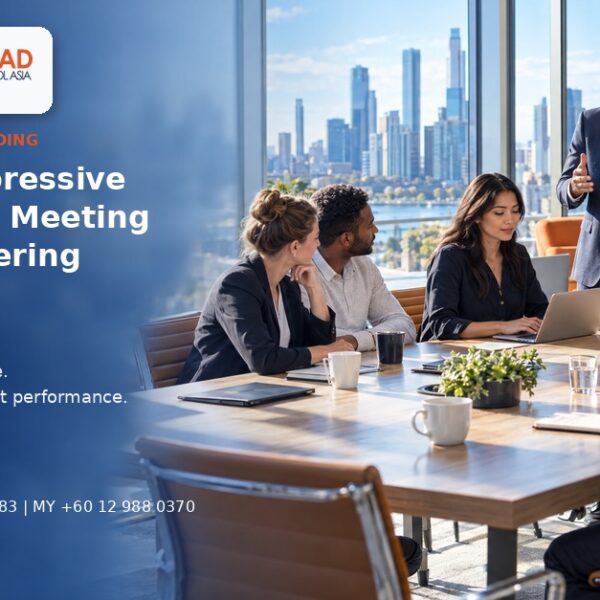
The business opportunity is to bring operational experience, customer knowledge, digital capability and fresh thinking into the same conversation.
HR must connect skills to outcomes.
The World Economic Forum’s Future of Jobs Report 2025 found that surveyed employers expected 39% of workers’ core skills to change by 2030.
That creates a question for HR and business leaders: are we measuring whether people can apply new skills to their work, or simply recording who attended training?
McKinsey’s work on strategic workforce planning highlights the importance of aligning talent decisions with business strategy as technology changes how people perform their work.
The EDUK8U® Executive Master of HRM and proposed Australian Executive HR Leadership Study Tour bring these conversations together: connecting people strategy to productivity, customer expectations and business results.
As we approach 2030, the question is whether your organisation is helping, and expecting, every generation to keep moving forward.
What is the greater challenge in your workplace: access to the right skills, willingness to change, or unclear performance expectations?
The Australia Study Tour remains subject to confirmation of dates, hosts and arrangements.
Let’s start the conversation on WhatsApp: AU +61 420 457 883 | MY +60 12 988 0370.